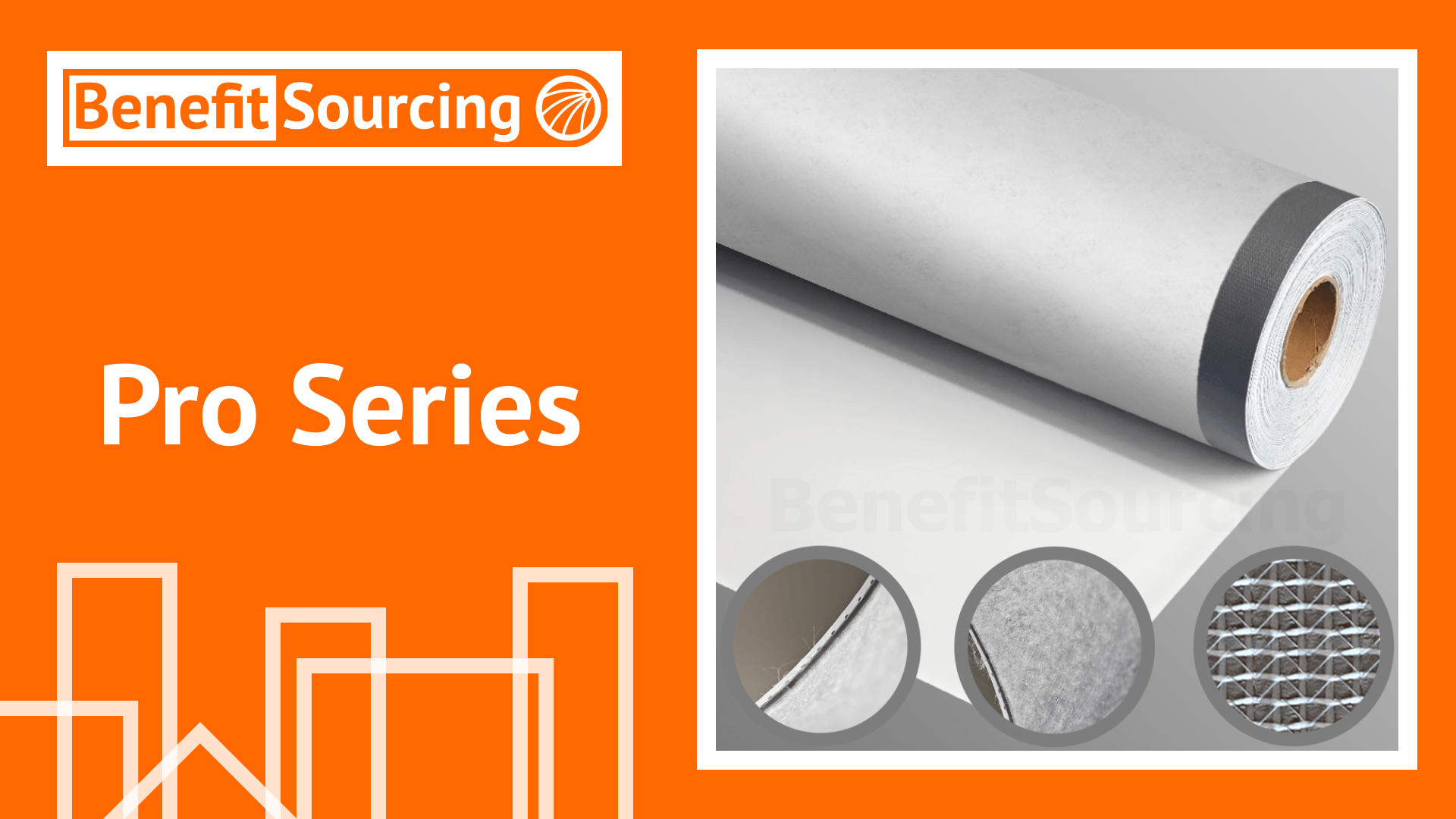
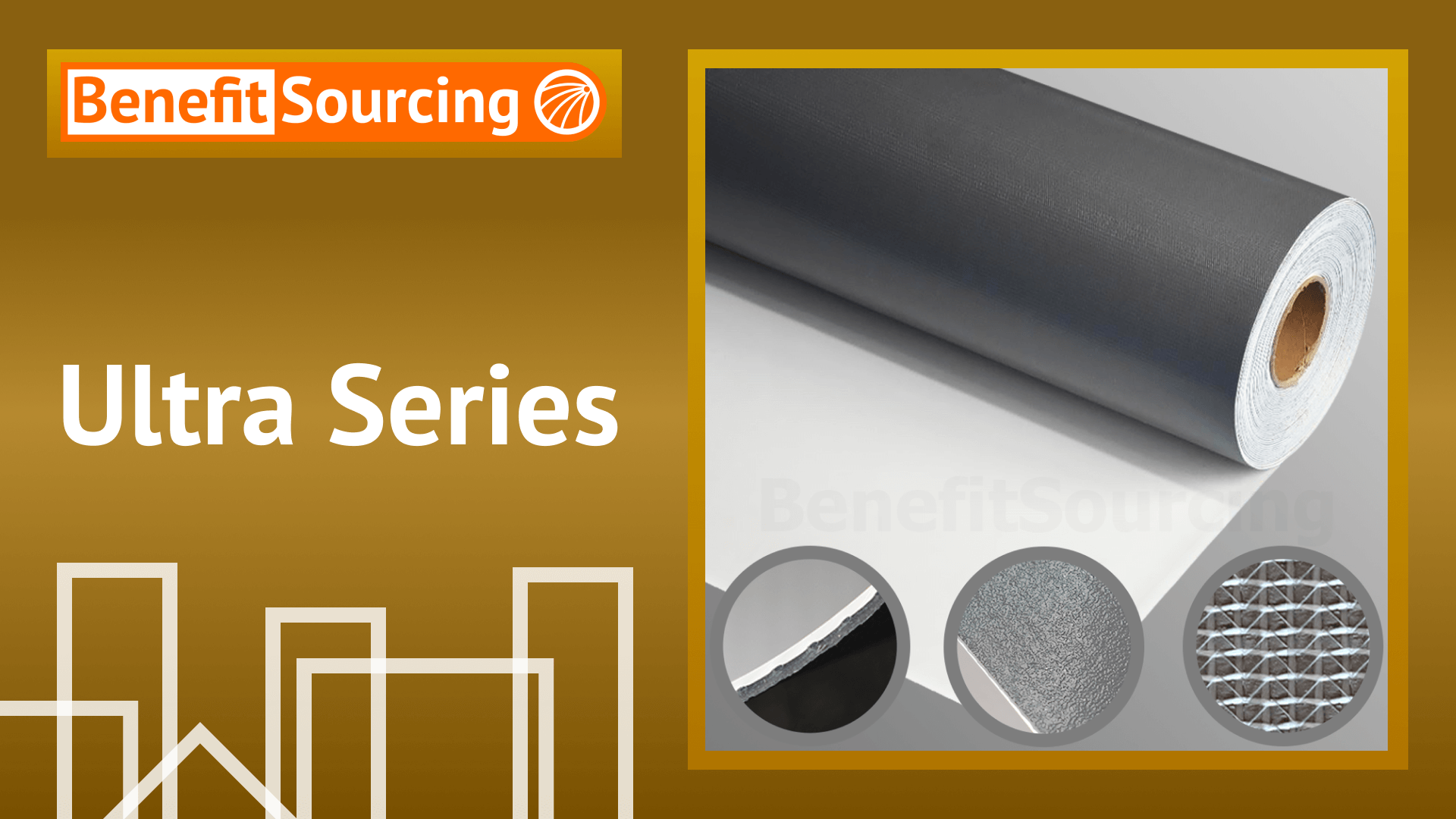
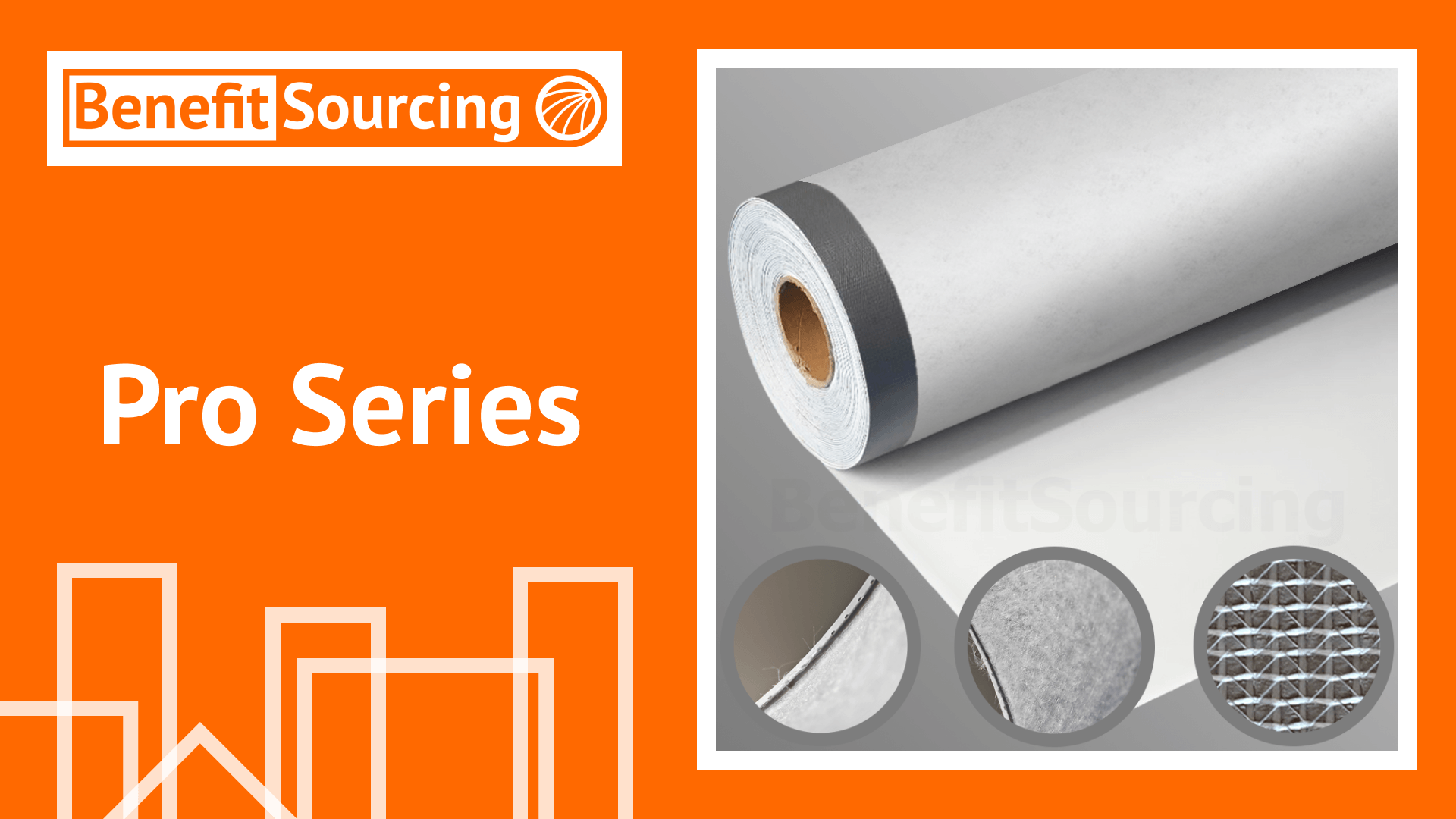
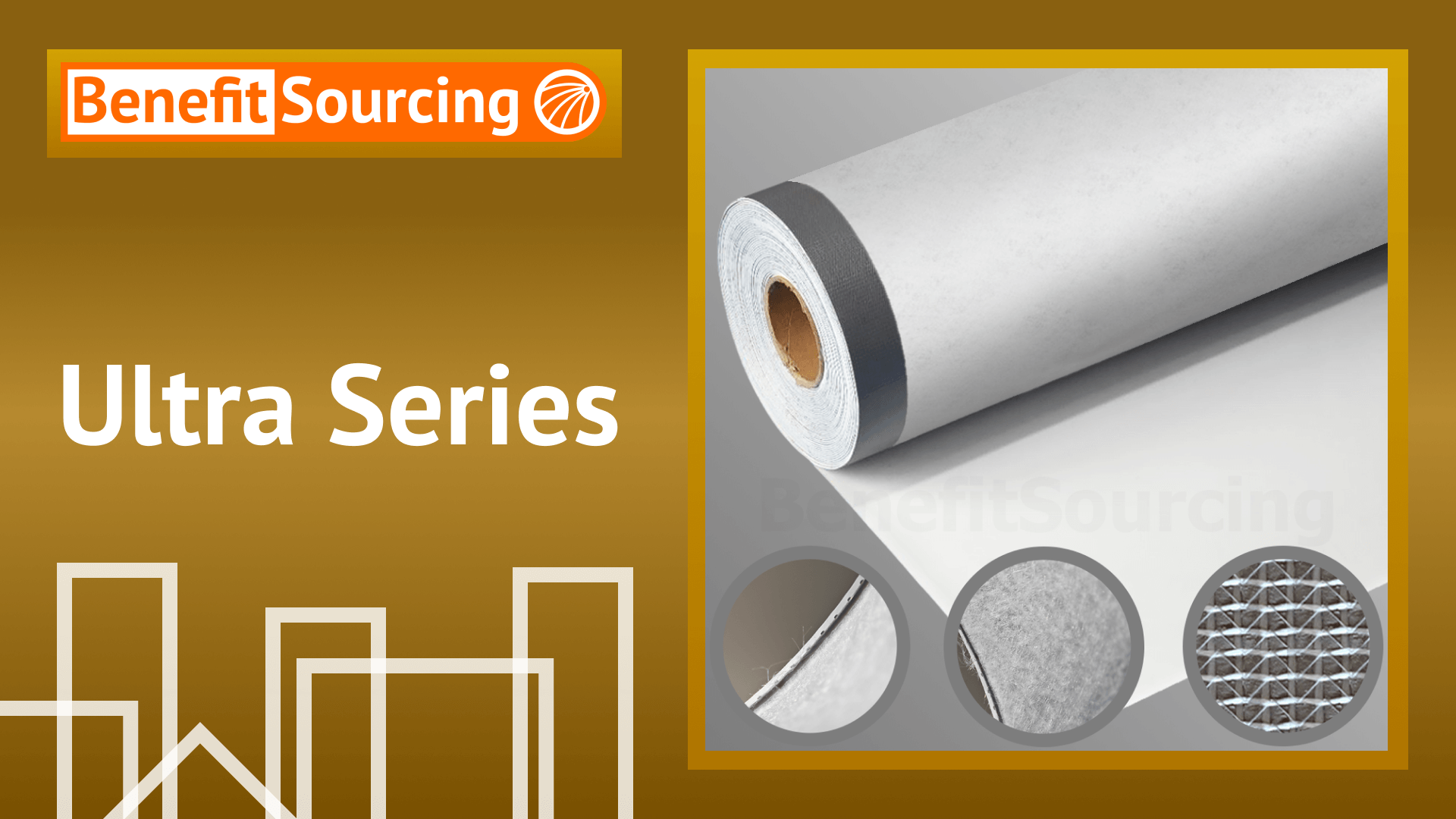
Single-ply roofing membrane
roofing membrane faq

Common installation issues of PVC/TPO roofing membrane - How to estimate material consumption

BenefitSourcing

Roofing membranes made from PVC (Polyvinyl Chloride) and TPO (Thermoplastic Polyolefin) are widely used in commercial and industrial roofing systems due to their durability, energy efficiency, and resistance to environmental stressors. However, improper installation and inaccurate material estimation remain persistent challenges that can compromise system performance. Understanding these issues and adopting standardized calculation methods are critical for achieving optimal results.

Estimating Material Consumption Accurately

Material waste in PVC/TPO roofing projects often exceeds 15% when calculated improperly. These steps ensure precision:

  1. Field Measurement

    • Use laser measuring devices or drones for high-precision roof area calculations. Account for protrusions (pipes, vents) by measuring their base diameters and adding 6”–12” perimeter allowances for flashing.
  2. Membrane Layout Optimization

    • Roll orientation impacts waste. For rectangular roofs, align membrane rolls parallel to the longest edge. For complex shapes, create a scaled CAD layout to minimize cuts.
  3. Waste Factor Calculation

    • Trim Loss: Add 3%–5% for edge trimming.
    • Seam Overlaps: Allocate 6”–8” for side laps and 4”–6” for end laps, translating to 7%–10% additional material.
    • Obstruction Waste: Add 8%–12% for cutting around penetrations.
    • Total Waste: Combine factors based on roof complexity:
      • Simple roof: 10%–15%
      • Moderate complexity: 15%–20%
      • High complexity (e.g., multiple penetrations): 20%–25%
  4. Accessory Quantification

    • Calculate fasteners per square foot:
      • Mechanically attached systems: 0.75–1.25 fasteners/sq.ft
      • Ballasted systems: 0.1–0.3 fasteners/sq.ft
    • Estimate sealant/adhesive volumes:
      • 1 gallon covers 50–75 linear feet of flashing details.
  5. Adjust for Manufacturing Tolerances

    • PVC/TPO rolls typically have ±0.5% length variance. Add 2% buffer to accommodate roll-end inconsistencies.

By addressing installation errors systematically and applying data-driven material estimates, contractors can reduce project costs by 8%–12% while extending membrane service life beyond 25 years. Always cross-verify calculations with membrane manufacturers’ technical bulletins and ASTM/ANSI standards to maintain compliance.

FAQ

What is this article about?

Common installation issues of PVC/TPO roofing membrane - How to estimate material consumption is part of our roofing membrane faq knowledge series and explains practical roofing membrane information for product selection, installation, or project planning.

Who is this article useful for?

This article is useful for roofing contractors, waterproofing companies, specifiers, and project teams that need clearer membrane guidance before product selection or inquiry.

How can I discuss related products or request a Technical Data Sheet (TDS)?

Use the contact form on this page to discuss related PVC or TPO membrane products, request a Technical Data Sheet (TDS), or ask about OEM and project requirements.

Need product data, sourcing support, or OEM guidance?

Please provide your full name.
Please provide your company name.
Please provide your market or country.
Please choose your business type.
Please select your product interest.
Please provide your estimated order quantity.
Please enter a valid quantity.
Please provide your email address.
Please provide a valid email address.
Please enter a valid phone number.
Please enter your message.