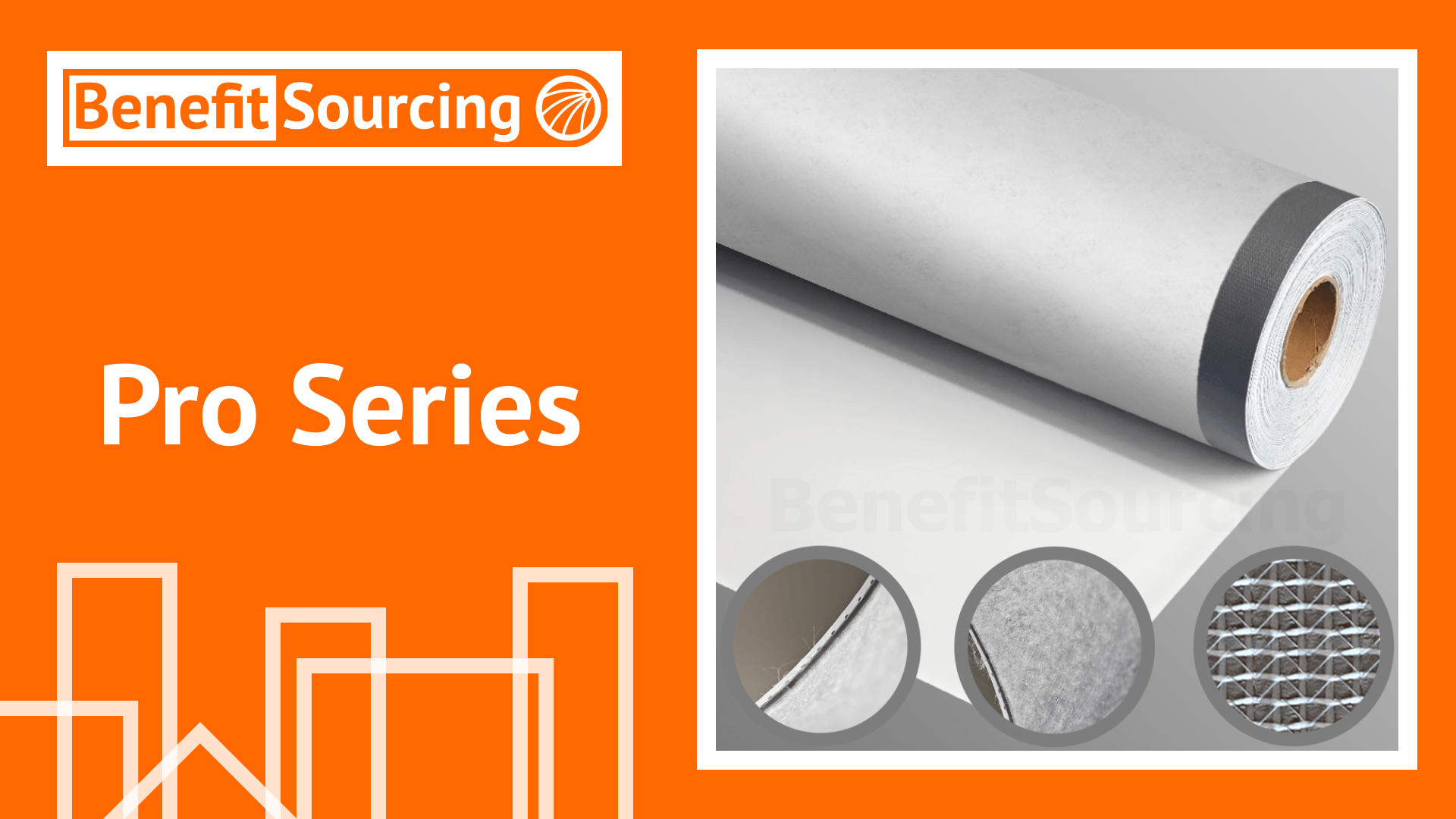
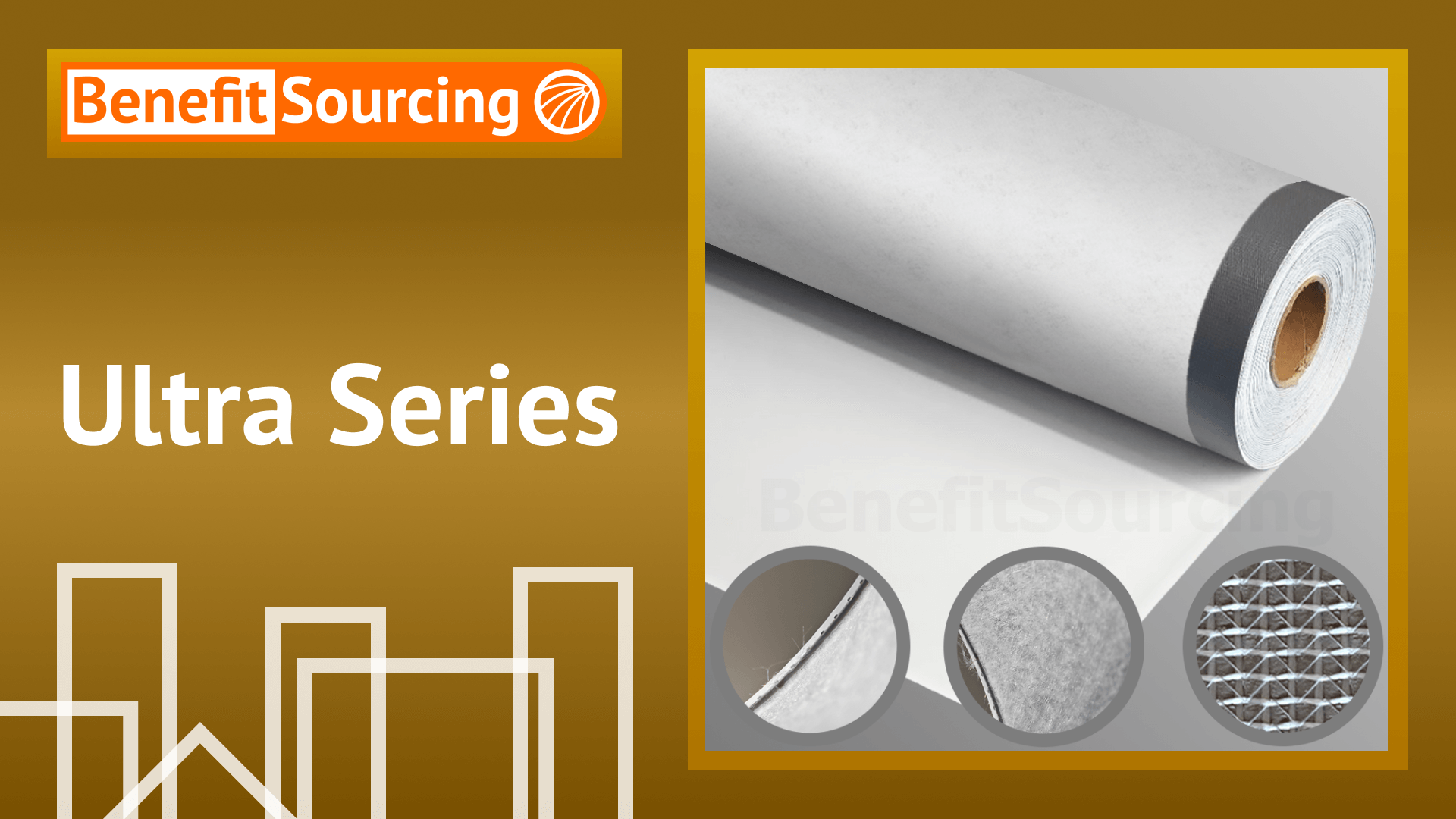
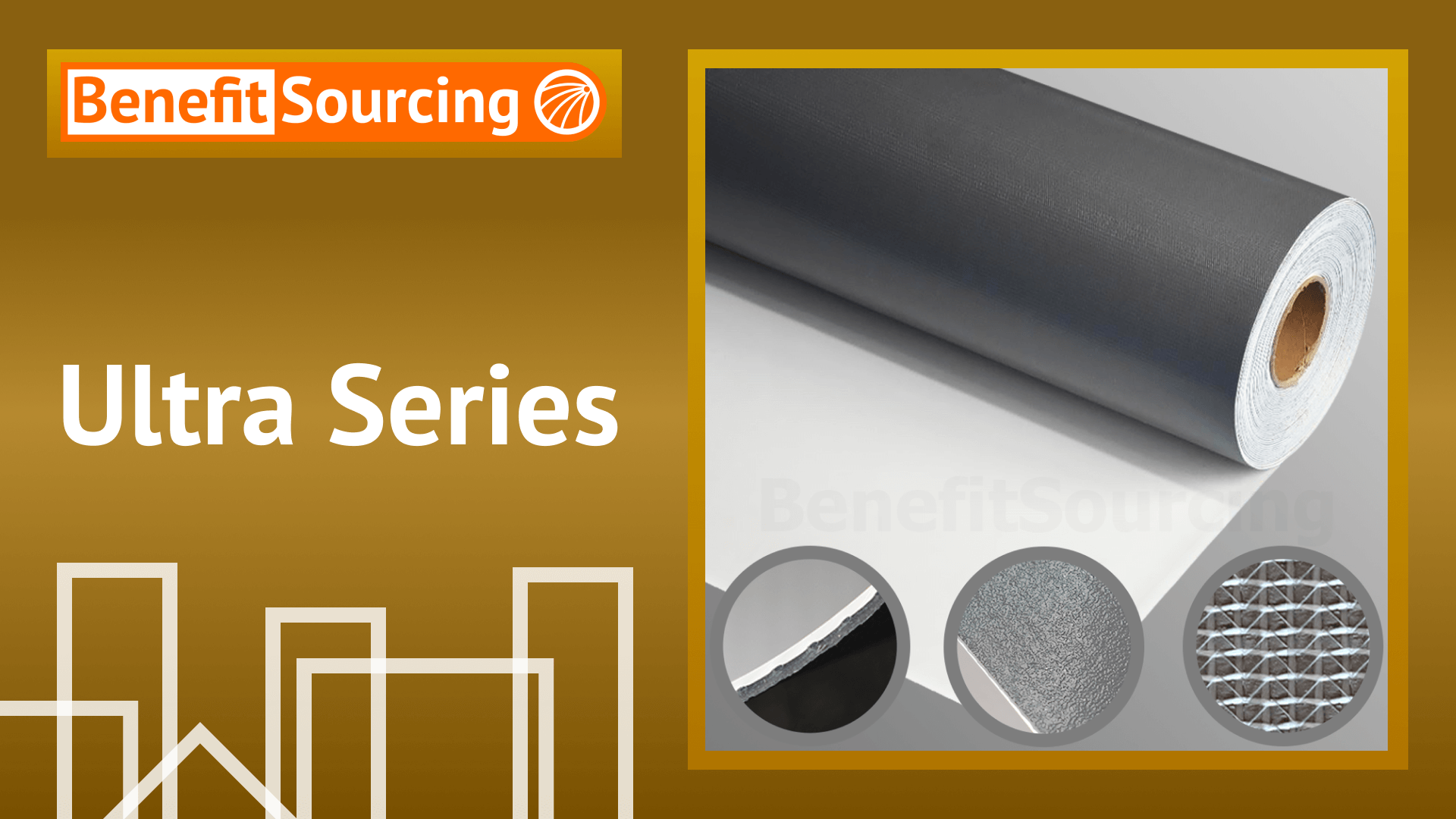
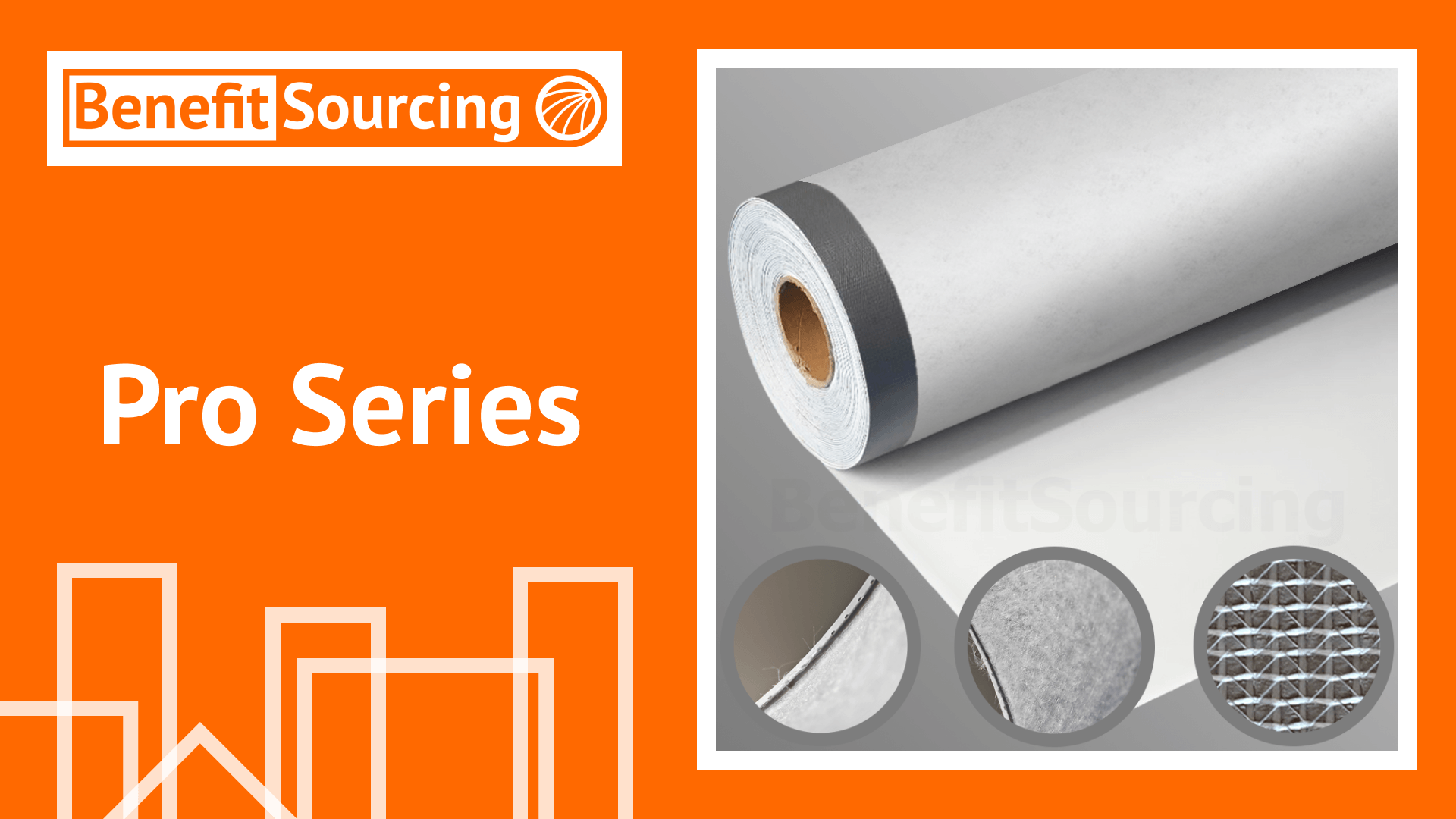
Roofing membranes are critical components in modern building envelope systems, with Thermoplastic Polyolefin (TPO) membranes gaining prominence due to their durability, energy efficiency, and adaptability. ASTM D 6878, “Standard Specification for Thermoplastic Polyolefin-Based Sheet Roofing,” establishes rigorous quality benchmarks for these materials. Understanding its test parameters provides insights into material performance and longevity.
Thickness: Measured using calibrated micrometers, thickness uniformity ensures consistent performance. TPO membranes typically range from 45 mil (1.1 mm) to 100 mil (2.5 mm), with tolerances of ±10% as per ASTM D 6878. Variations beyond this threshold may compromise puncture resistance and seam strength.
Tensile Strength and Elongation:
Tear Resistance: ASTM D 1004 determines the force required to propagate a tear. TPO membranes must withstand ≥40 lbf/inch (175 N/25mm) to resist damage from wind uplift or foot traffic.
Dimensional Stability: Tested per ASTM D 1204, membranes are exposed to 158°F (70°C) for 24 hours. Post-test dimensional changes must not exceed ±1% to prevent wrinkling or buckling during service.
Low-Temperature Flexibility: Specimens conditioned at -40°F (-40°C) for 2 hours must bend 180° around a 1-inch mandrel without cracking (ASTM D 1790). This ensures performance in cold climates.
Heat Aging: Samples undergo 28 days at 230°F (110°C) to simulate long-term thermal exposure. Post-aging, tensile strength and elongation must retain ≥85% of original values.
UV Resistance: Accelerated weathering tests (ASTM G154) expose membranes to UV radiation and cyclic moisture for 3,000 hours. Post-test, visual checks assess surface cracking, color retention, and gloss reduction.
Ozone Resistance: ASTM D 518 measures resistance to ozone-induced cracking. TPO membranes must show no surface cracks after 168 hours in 100 pphm ozone at 104°F (40°C).
Chemical Resistance: Membranes are immersed in 10% sulfuric acid, 10% sodium hydroxide, and ASTM Reference Fuel B (heptane) for 7 days. Post-exposure, tensile strength retention must exceed 80%, with no visible blistering or dissolution.
Water Absorption: After 24-hour immersion (ASTM D 570), water absorption must remain below 2% by weight to prevent hydrolytic degradation.
Fungal Resistance: Tested per ASTM G21, TPO membranes must inhibit fungal growth (rated 0 or 1 on a 0-4 scale) to avoid biodegradation in humid environments.
ASTM E 108 evaluates fire resistance through two critical tests:
Peel-and-shear tests (ASTM D 413) verify seam strength:
Adhesive Bond Strength: ASTM D 903 measures adhesion between TPO and substrates, requiring ≥2.5 psi (17.2 kPa) to resist wind uplift.
Compatibility with Insulation: Membranes must not react with polyisocyanurate or expanded polystyrene insulation. ASTM C 1289 tests assess dimensional stability and adhesion after thermal cycling.
ASTM D 6878 indirectly supports sustainability by mandating longevity and recyclability. TPO membranes often contain 20-30% post-industrial recycled content and are fully recyclable at end-of-life, reducing landfill waste.
While ASTM D 6878 provides a robust framework, specifiers must consider site-specific factors such as climate, UV exposure, and mechanical loads. Third-party certifications (e.g., FM Approvals, UL) offer additional verification through independent testing beyond ASTM minimums. Regular material testing during manufacturing ensures batch-to-batch consistency, while field testing (e.g., electrical leak detection) validates installed performance.
TPO roofing membrane: ASTM D 6878 indicators is part of our roofing membrane quality knowledge series and explains practical roofing membrane information for product selection, installation, or project planning.
This article is useful for roofing contractors, waterproofing companies, specifiers, and project teams that need clearer membrane guidance before product selection or inquiry.
Use the contact form on this page to discuss related PVC or TPO membrane products, request a Technical Data Sheet (TDS), or ask about OEM and project requirements.
Need product data, sourcing support, or OEM guidance?